
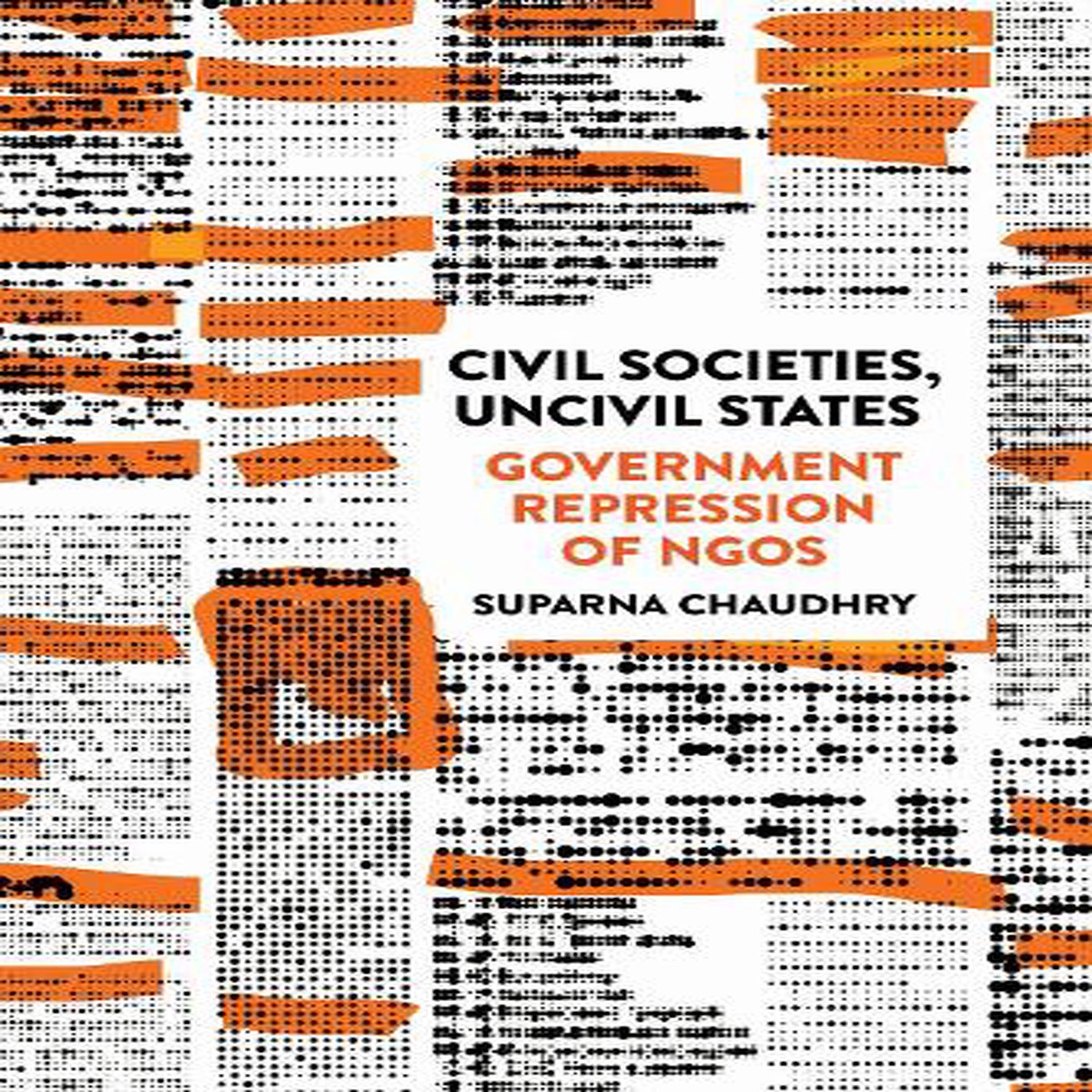
Civil Societies, Uncivil States
Government Repression of NGOsCivil Societies, Uncivil States examines why governments around the world have turned against the nongovernmental organizations they once welcomedand how they choose their methods of repression.In the decades following the Cold War, NGOs became central players in...
- EN3569041082
Government Repression of NGOs
Civil Societies, Uncivil States examines why governments around the world have turned against the nongovernmental organizations they once welcomedand how they choose their methods of repression.
In the decades following the Cold War, NGOs became central players in global governance, buoyed by a liberal international order that rewarded states for supporting civil society. That openness proved short-lived. From Russia’s foreign agent laws to India’s crackdowns on foreign funding, governments increasingly viewed NGOs as threats. Suparna Chaudhry argues that whether governments choose violent crackdowns against NGOs or subtler administrative restrictions depends on two factors: whether an NGO poses long-term risks to state authority, and how visible it is internationally. A state’s relationship with the liberal international order shapes which strategy it pursues.
Chaudhry’s findings show that
There are no reviews yet.
POPULAR PRODUCTS

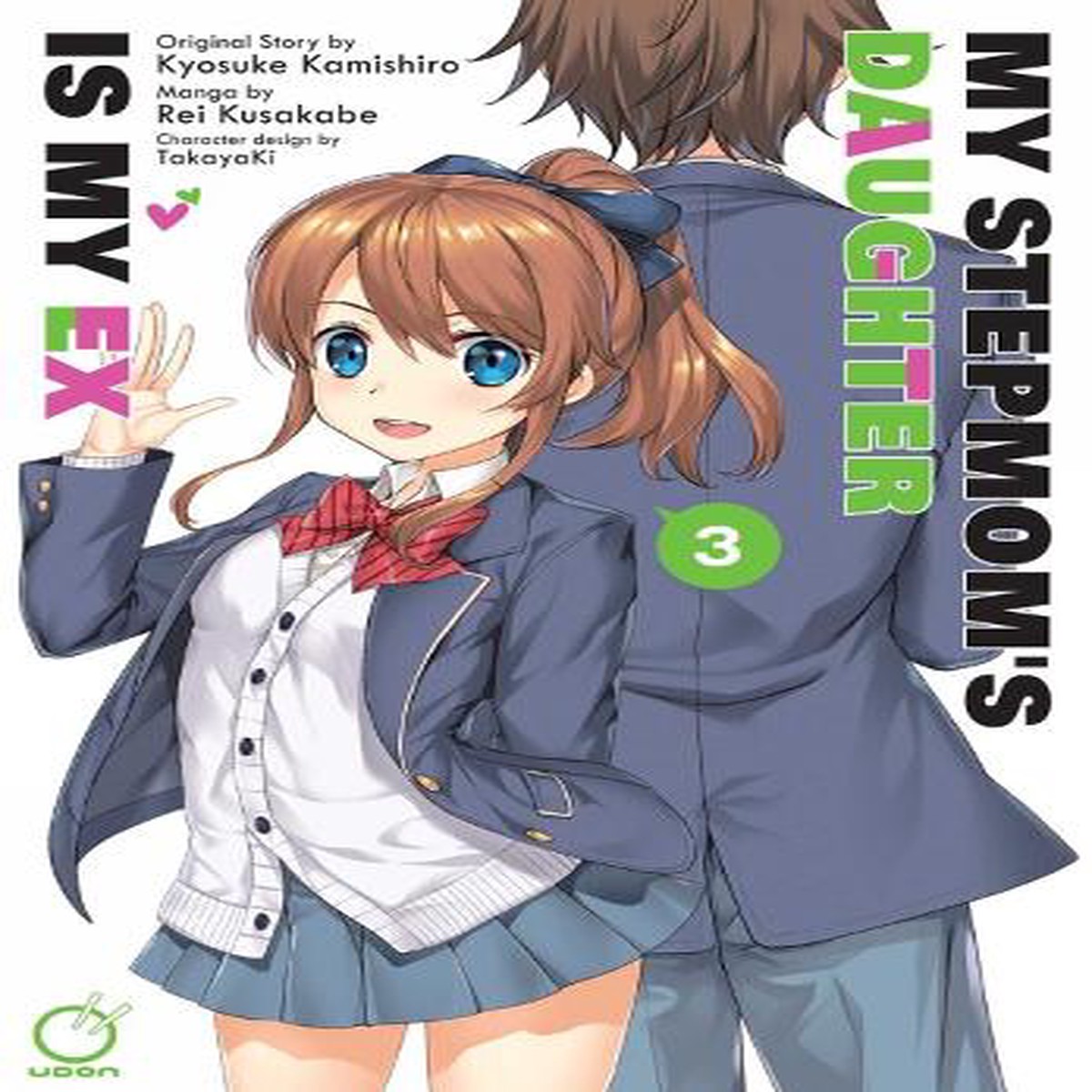
My Stepmom's Daughter is my Ex Volume 3
A former boyfriend and girlfriend must live uner one roof...
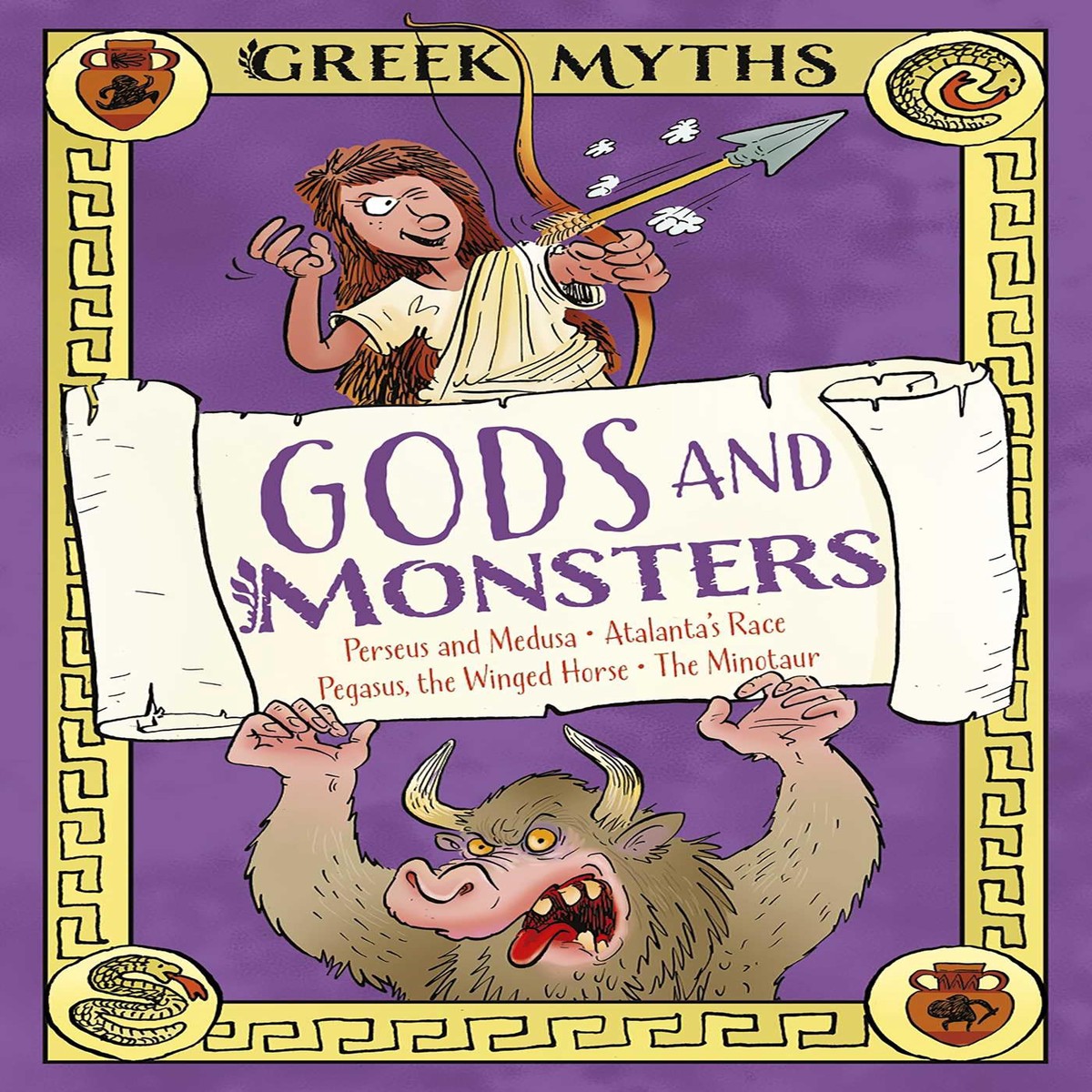
Greek Myths: Gods and Monsters
Perseus and Medusa, Atalanta's Race, Pegasus, the Winged Horse, the...